Women's Economic Empowerment and Livelihoods Program (WEELP)

Program Overview

How the Program Works

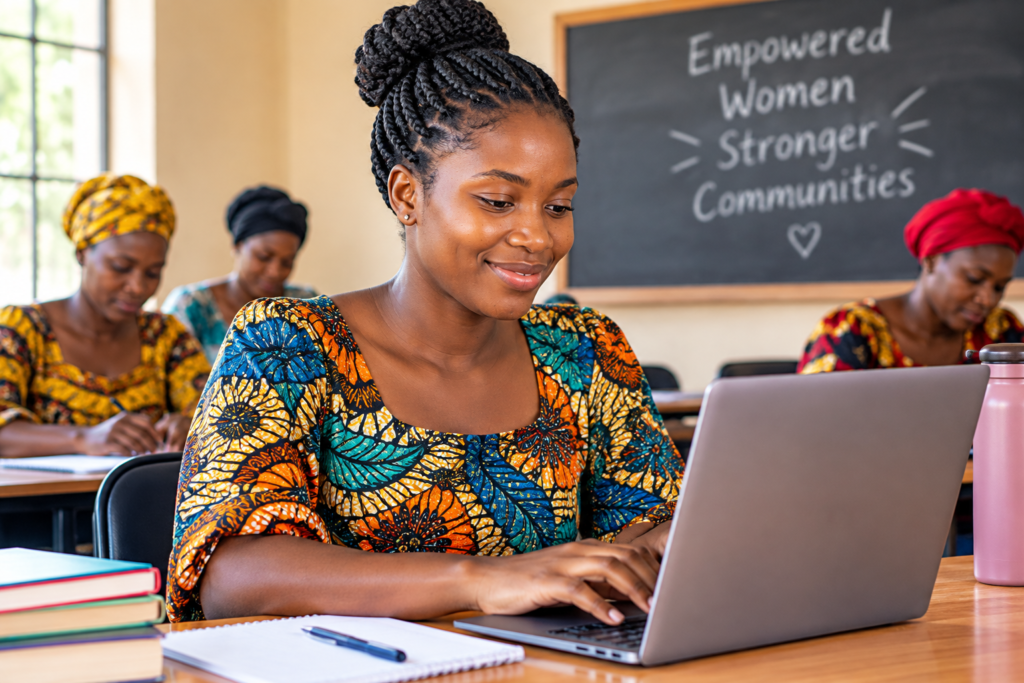
Lasting change requires strong and economically empowered families. The Women’s Economic Empowerment and Livelihoods Programme supports mothers and female caregivers of children enrolled on Foundation programmes to build sustainable livelihoods and increase household income.

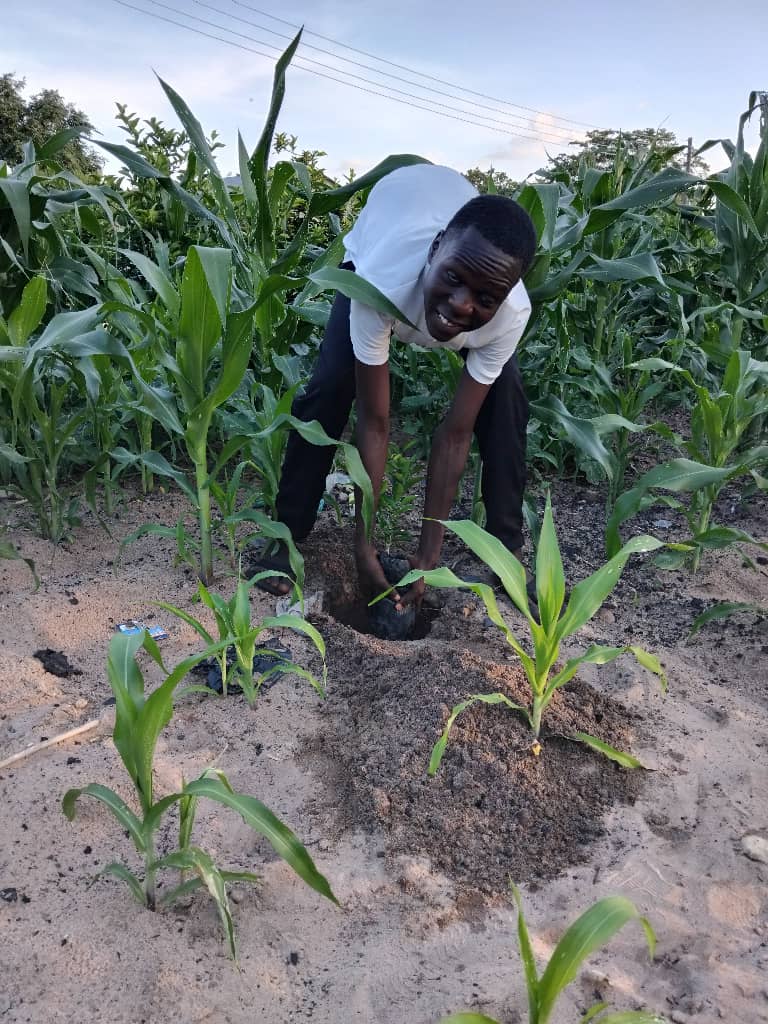
Women are organised into clubs, savings groups and cooperatives, where they receive entrepreneurship training, financial literacy support, business mentoring and livelihood assistance. Depending on local opportunities, this may include climate-smart agriculture, livestock, trading, crafts and value addition.

Women are also linked to government empowerment initiatives, financial institutions, markets, the private sector and development partners. The aim is to raise incomes and reduce long-term dependency by building family self-reliance and economic resilience.

Key Activities

1. Identify and organise women

  • Conduct household economic assessments
  • Form women’s groups, clubs and cooperatives
  • Register cooperatives where applicable

2. Build skills

  • Entrepreneurship training
  • Financial literacy training
  • Cooperative governance training
  • Record keeping and business management workshops

3. Support livelihoods and enterprises

  • Support income-generating activities
  • Support climate-smart agriculture projects
  • Facilitate small business development
  • Promote savings and lending initiatives

4. Strengthen market access

  • Link women to the Citizens Economic Empowerment Commission (CEEC) and government empowerment funds
  • Facilitate access to markets and buyers
  • Build partnerships with financial institutions
  • Support participation in trade and agricultural fairs

5. Monitor and learn

  • Conduct enterprise monitoring visits
  • Facilitate peer learning exchanges
  • Document success stories and lessons learned
  • Conduct periodic assessments of household economic resilience

Why This Matters

Poverty and economic vulnerability are among the main reasons children do well or badly at school, at home and in their health. A child who is in school but whose family cannot afford food, care or stability still faces barriers to reaching their potential.

Investments in a child’s education, health and welfare last longer when their family can also support itself. By helping mothers and female caregivers earn a sustainable income, we strengthen the home the child grows up in and reduce the need for long-term charitable support.

Explore Our Other Programs

Education Empowerment Program

Providing vital learning materials, tuition support, and development programs to empower school children in marginalized regions.

Child Health Support Program

Ensuring healthcare access, life-saving medical supplies, and critical nutritional care to foster a healthy, vibrant next generation.

Climate Action Program

Pioneering green educational curricula, active tree reforestation initiatives, and sustainable lifestyle training across local communities.

Welfare support Program

Providing essential support, care, and resources to vulnerable individuals and families, helping them meet their basic needs and build safer, more stable lives.


Donate Now